
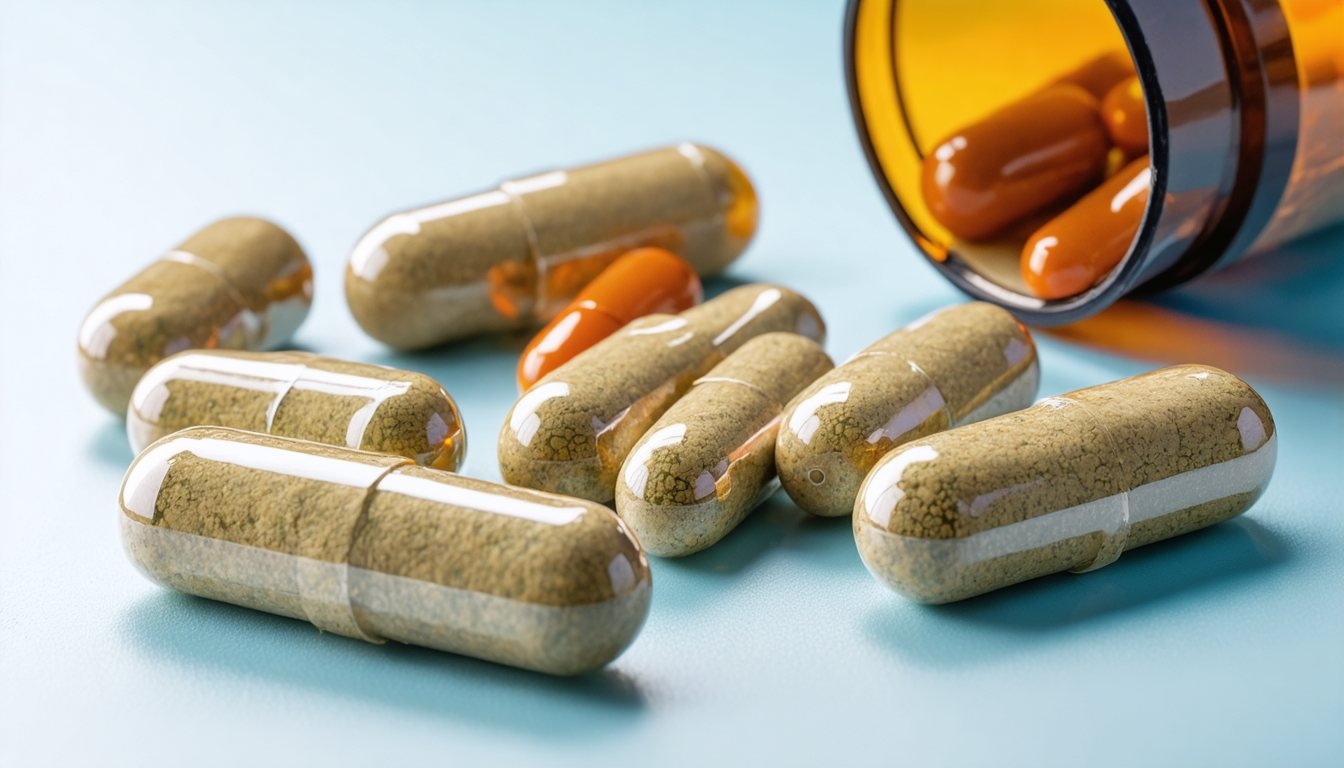
“Libido supplements”: myths, facts, and what to do
Disclaimer: This article is for educational purposes only and does not replace medical advice. Sexual desire (libido) is influenced by physical, psychological, and relationship factors. If you experience persistent low libido, pain, erectile dysfunction, or other sexual health concerns, consult a qualified healthcare professional.
Key takeaways (TL;DR)
- “Natural” libido supplements are not automatically safe or effective; evidence varies widely by ingredient.
- Low sexual desire often has underlying causes (hormonal changes, stress, depression, medications, chronic disease).
- Some ingredients (e.g., ginseng, saffron) show limited but promising evidence; others lack strong clinical support.
- Quality and purity of over-the-counter sexual enhancement products can be inconsistent.
- Lifestyle measures and addressing root causes are often more effective than relying on pills alone.
Myths and facts
Myth: All libido supplements are proven aphrodisiacs.
Fact: Only a small number of ingredients have been studied in randomized controlled trials, and results are mixed. For many popular herbs and “male enhancement” blends, high-quality evidence is limited or absent.
Why people think so: Marketing often uses traditional use or testimonials as proof, which can sound convincing.
Practical action: Look for products that cite human clinical trials and check independent resources (e.g., NIH Office of Dietary Supplements) before purchasing.
Myth: If it’s natural, it’s safe.
Fact: “Natural” does not guarantee safety. Some supplements can interact with medications (e.g., antidepressants, blood pressure drugs) or worsen medical conditions.
Why people think so: The term “herbal” is often associated with gentle or harmless remedies.
Practical action: Discuss any supplement with your clinician, especially if you have heart disease, diabetes, depression, or take prescription medications.
Myth: Libido supplements work instantly.
Fact: Most studied supplements, when effective, require consistent use over weeks—not hours. Immediate effects are uncommon and may reflect placebo response.
Why people think so: Advertising frequently implies rapid transformation.
Practical action: Be skeptical of “overnight” claims. Track symptoms over time and evaluate broader health factors such as sleep and stress.
Myth: Low libido is always a hormone problem.
Fact: Hormones (like testosterone or estrogen) can influence desire, but psychological stress, relationship issues, medications (e.g., SSRIs), and chronic illness are common contributors.
Why people think so: Hormone-focused messaging is common in media and online forums.
Practical action: Consider a comprehensive evaluation. Our guide on sexual health screening and assessment explains what to expect during a medical review.
Myth: Testosterone boosters increase libido in everyone.
Fact: In people with normal testosterone levels, over-the-counter “boosters” rarely produce meaningful changes. Clinically low testosterone requires proper testing and medical supervision.
Why people think so: Testosterone is strongly associated with masculinity and sexual drive.
Practical action: Do not self-diagnose. Laboratory testing and professional guidance are essential before considering hormone-related treatment.
Myth: Supplements are as strictly regulated as prescription drugs.
Fact: In many countries, dietary supplements are regulated differently from medications. Quality, purity, and dosage consistency may vary.
Why people think so: Products are sold in pharmacies or reputable online stores, which can create a sense of oversight.
Practical action: Choose products tested by third-party certification bodies (e.g., USP, NSF) where available.
Myth: If one ingredient works, more is better.
Fact: Combining multiple herbs in high amounts does not necessarily increase effectiveness and may increase side effects or interactions.
Why people think so: Complex formulas are marketed as “advanced” or “maximum strength.”
Practical action: Avoid stacking multiple libido products. Start by addressing lifestyle and underlying medical issues.
Myth: Libido supplements fix relationship problems.
Fact: Sexual desire is closely linked to emotional intimacy, communication, and mental health. Pills cannot replace relationship work.
Why people think so: It may feel easier to try a product than to address sensitive personal issues.
Practical action: Consider couples counseling or mental health support. See our resources on mental health and sexual wellbeing for more guidance.
Myth: There’s strong evidence for every popular ingredient (e.g., maca, tribulus, horny goat weed).
Fact: Evidence varies:
- Panax ginseng: Some studies suggest modest benefit for sexual function.
- Saffron: Limited evidence for improving sexual dysfunction, including SSRI-related issues.
- Maca: Mixed results; possible mild benefit in some groups.
- Tribulus terrestris: Inconsistent evidence.
Overall, results are often small and not universal.
Why people think so: Traditional medicine use is often interpreted as scientific validation.
Practical action: Review reputable summaries of evidence and avoid relying solely on anecdotal reviews.
Myth: If libido is low, supplements are the first step.
Fact: Addressing sleep, physical activity, alcohol intake, stress, and chronic conditions often has a stronger evidence base than supplements alone.
Why people think so: Supplements are accessible and promise quick improvement.
Practical action: Start with foundational health habits. Our article on exercise and sexual health outlines practical lifestyle strategies.
Evidence overview table
| Statement | Evidence level | Comment |
|---|---|---|
| Some herbal supplements may modestly improve sexual function. | Limited to moderate (varies by ingredient) | Effects are generally small and population-specific. |
| “Natural” equals safe. | Not supported | Risk of interactions and contamination exists. |
| Testosterone boosters help everyone. | Low | Unlikely effective without clinically low testosterone. |
| Lifestyle changes can improve libido. | Moderate to strong | Supported by broader evidence on cardiovascular and mental health. |
| All supplements are quality-controlled. | Low | Quality varies; third-party testing is advisable. |
Safety: when you cannot wait
Seek prompt medical care if you experience:
- Sudden loss of sexual function with chest pain or shortness of breath.
- Severe depression, hopelessness, or thoughts of self-harm.
- Signs of an allergic reaction (swelling, rash, difficulty breathing) after taking a supplement.
- Persistent erectile dysfunction or pain during sex.
- Symptoms of hormonal disorders (e.g., unexplained weight change, extreme fatigue).
FAQ
Do libido supplements work for women?
Some ingredients (e.g., saffron, maca) have been studied in women, including those with SSRI-related sexual dysfunction, but evidence remains limited. Female sexual desire is multifactorial, and a comprehensive approach is often needed.
Can supplements help with SSRI-related low libido?
Preliminary research suggests certain compounds (like saffron) may offer benefit, but you should never stop or adjust antidepressants without medical guidance.
How long should I try a supplement before deciding it doesn’t work?
Clinical studies typically assess outcomes over several weeks. If there’s no improvement after a reasonable trial and lifestyle adjustments, consult a clinician.
Are online “male enhancement” pills safe?
Be cautious. Regulatory agencies have identified products adulterated with undeclared pharmaceutical ingredients. Purchase only from reputable sources.
What tests are done for low libido?
Depending on symptoms, clinicians may assess hormone levels, screen for depression, review medications, and evaluate cardiovascular risk factors.
Is low libido normal with aging?
Sexual desire can change with age, but distressing or sudden changes warrant evaluation. Many contributing factors are treatable.
Can exercise really improve sexual desire?
Regular physical activity supports cardiovascular health, mood, and body image—all linked to sexual wellbeing.
Sources
- National Institutes of Health (NIH) Office of Dietary Supplements: https://ods.od.nih.gov/
- U.S. Food and Drug Administration (FDA) – Tainted Sexual Enhancement Products: https://www.fda.gov/
- Mayo Clinic – Low sex drive in men and women: https://www.mayoclinic.org/
- Endocrine Society Clinical Practice Guidelines: https://www.endocrine.org/
- Cleveland Clinic – Sexual Health Overview: https://my.clevelandclinic.org/